#chiral_chromatography

Direct chiral HPLC separation on CSPs

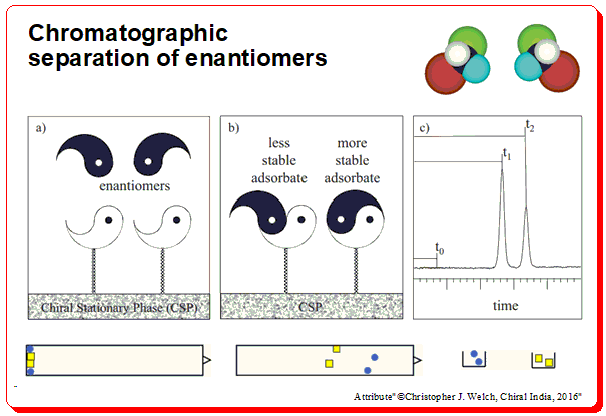
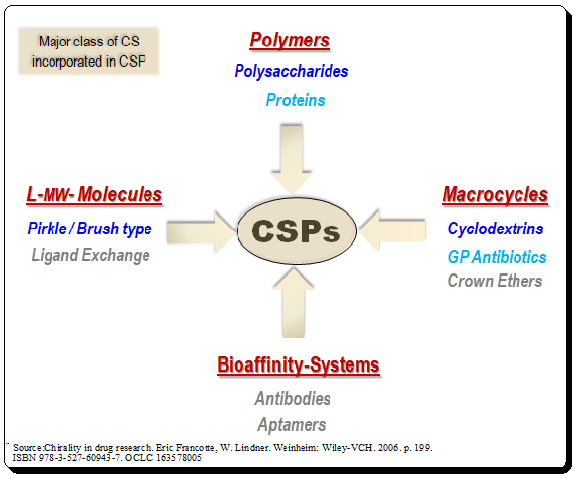
Chiral stationary phases (CSPs) The most convenient and most popular analytical methodology to assess chiral purity is the direct separation of enantiomers on so-called chiral stationary phases (CSPs). CSPs consists of an (ideally) inert chromatographic support ( usually silica micro-particles) on to which the chiral selector (CS; single enantiomer of a chiral molecule) is physically …

Direct chiral HPLC separation on CSPs Read More »

Chiral HPLC separation: strategy and approaches

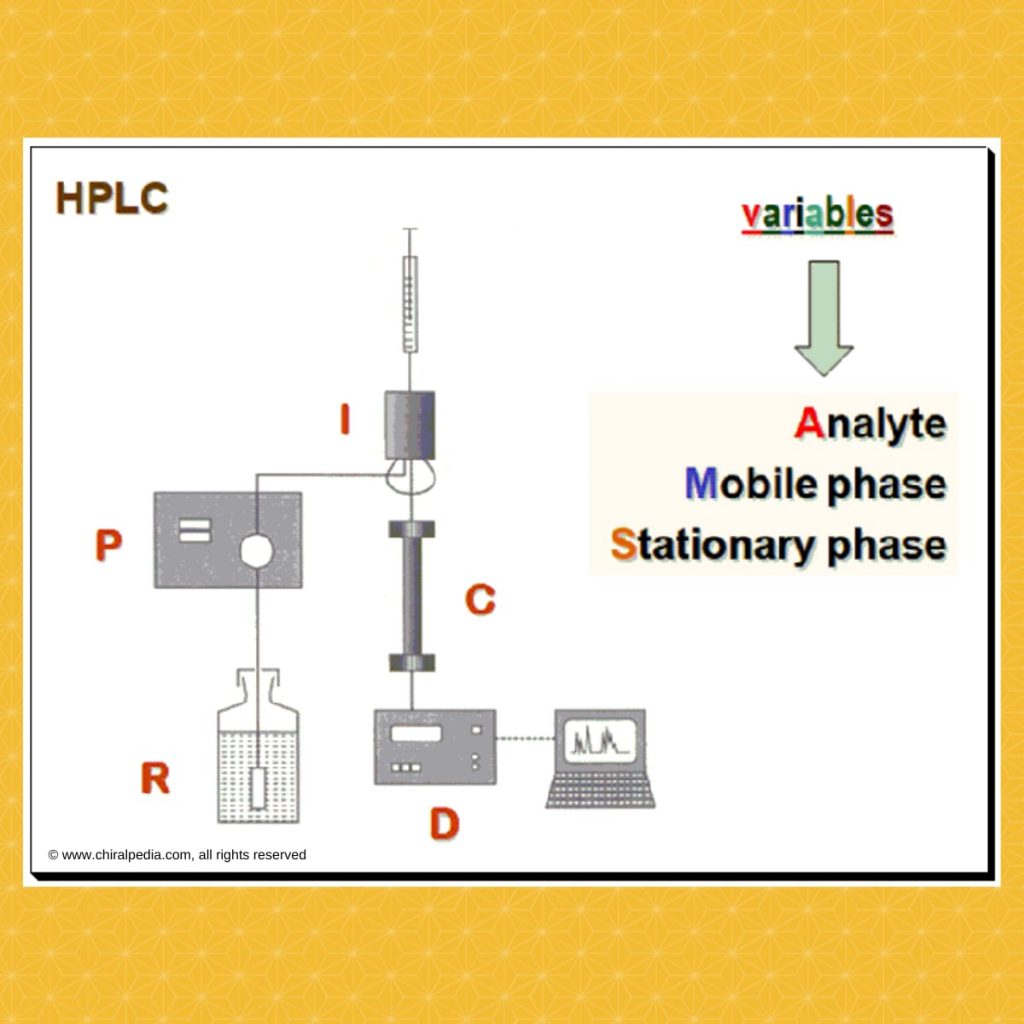
Strategy The basic aspect is to provide the right chiral environment where by the enantiomeric pair become distinguishable. In HPLC how do we construct the chiral environment? To understand this let us look at the variables available, in the HPLC system, that can be exploited for this purpose. The following is a schematic diagram of …

Chiral HPLC separation: strategy and approaches Read More »

Chiral chromatography

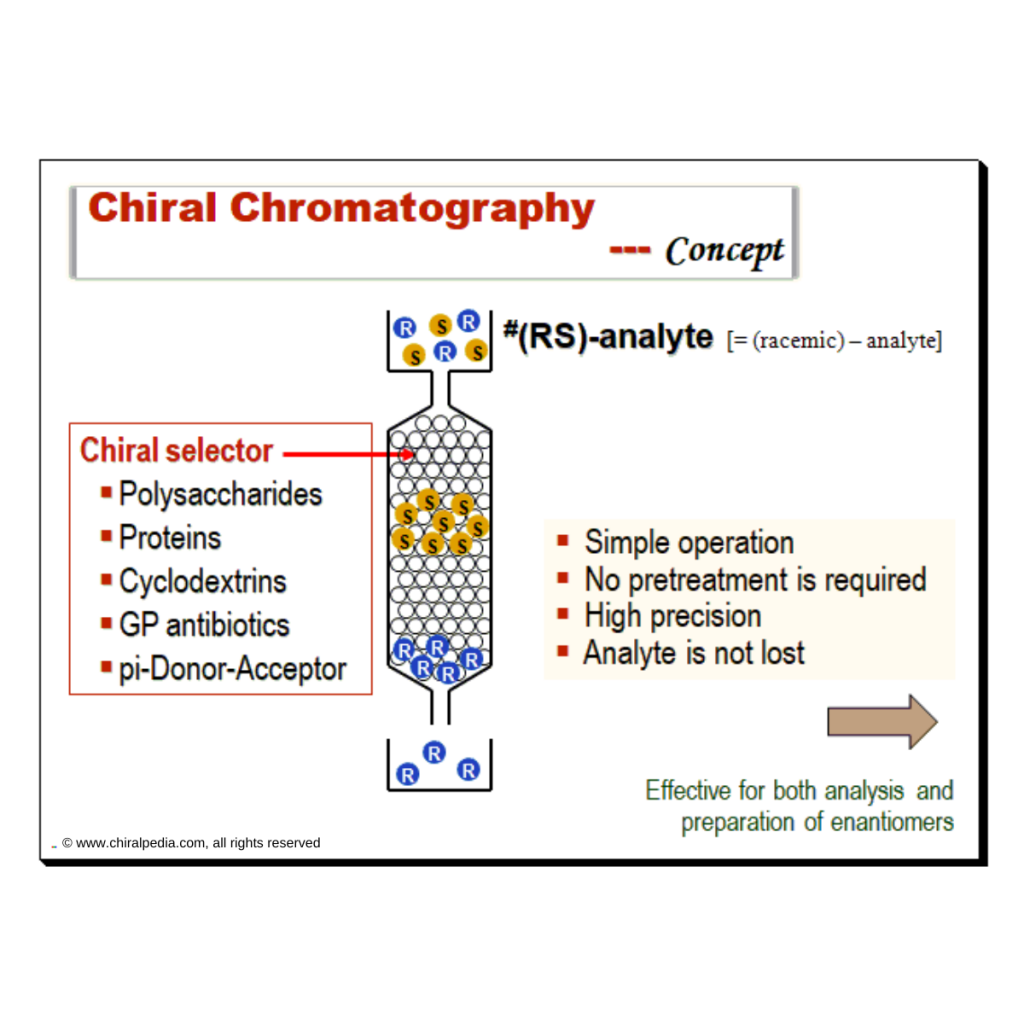
What is chiral chromatography? Chiral chromatography is now widely understood and applied in daily life. The correct phrase, however, is “enantioselective chromatography”. Chiral chromatography has developed into the most popular method for enantiomeric purity assessment and pure enantiomer separation, both on an analytical and preparative scale. The initial step in any investigation into enantioselective synthesis …

Chiral chromatography Read More »

 Separating mirrored molecules  

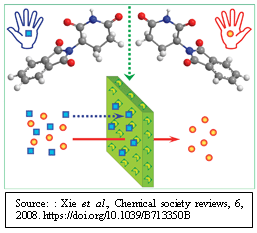
In nature, most chiral molecules only appear in one specific enantiomeric form. [Read more @ the blog – “The handed world“, https://chiralpedia.com/blog/the-handed-world/]. Moreover, the handedness of the enantiomer can have a powerful effect on how that molecule behaves.  The chiral difference between two molecules often plays a huge role in pharmacology and physiology, even though …

 Separating mirrored molecules   Read More »