Chiral Pharmacology

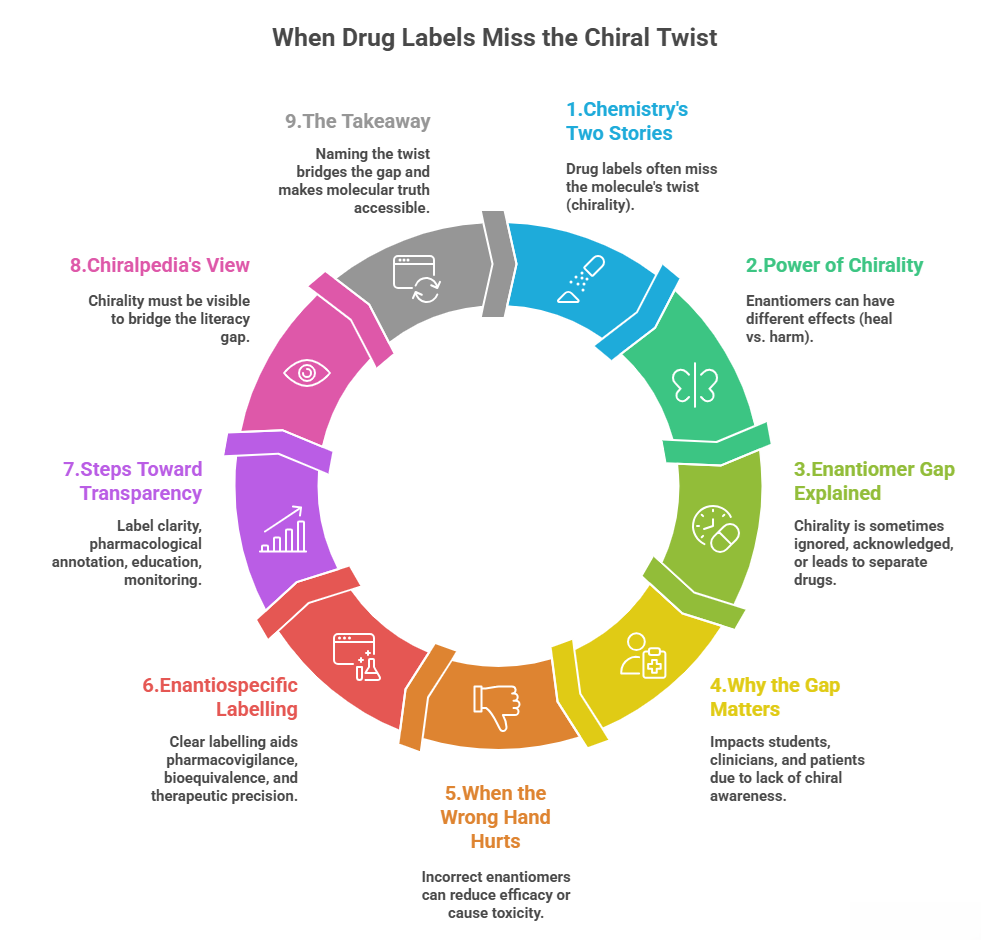
When Drug Labels Miss the Twist: The regulatory bind spot

“When chemistry tells two stories, the label should tell both” Drug labels tell us what’s inside — but not always how the molecule twists. And sometimes, that subtle twist changes everything: how a drug acts, how it’s regulated, and even whether it’s safe or addictive. Chirality — the property of handedness in molecules — has …

When Drug Labels Miss the Twist: The regulatory bind spot Read More »
Ibuprofen

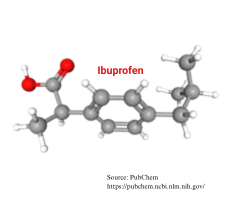
Ibuprofen is a widely used non-steroidal anti-inflammatory drug (NSAID). It is a monocarboxylic acid that is propionic acid in which one of the hydrogens at position 2 is substituted by a 4-(2-methylpropyl)phenyl group. Hence belongs to the propionic acid derivative class of NSAIDs. It is commonly prescribed for pain, inflammation, and fever. Available as over-the-counter (OTC) and …

Ibuprofen Read More »

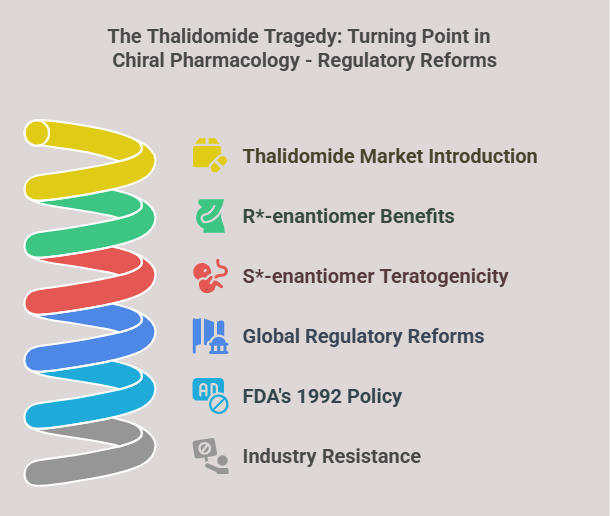
Chiral Pharmacology: The Mirror Image of Drug Development

Abstract Chiral pharmacology, which studies how different enantiomers (mirror-image forms of molecules) affect the body, has truly changed the landscape of pharmaceutical science. It highlights the importance of stereochemistry – the three-dimensional structure of molecules – in making drugs safer and more effective. Today, over half of modern medicines are chiral, but in the past, …

Chiral Pharmacology: The Mirror Image of Drug Development Read More »