Chandramouli R

The Chemistry of Taste and Smell: How Chirality Affects Senses

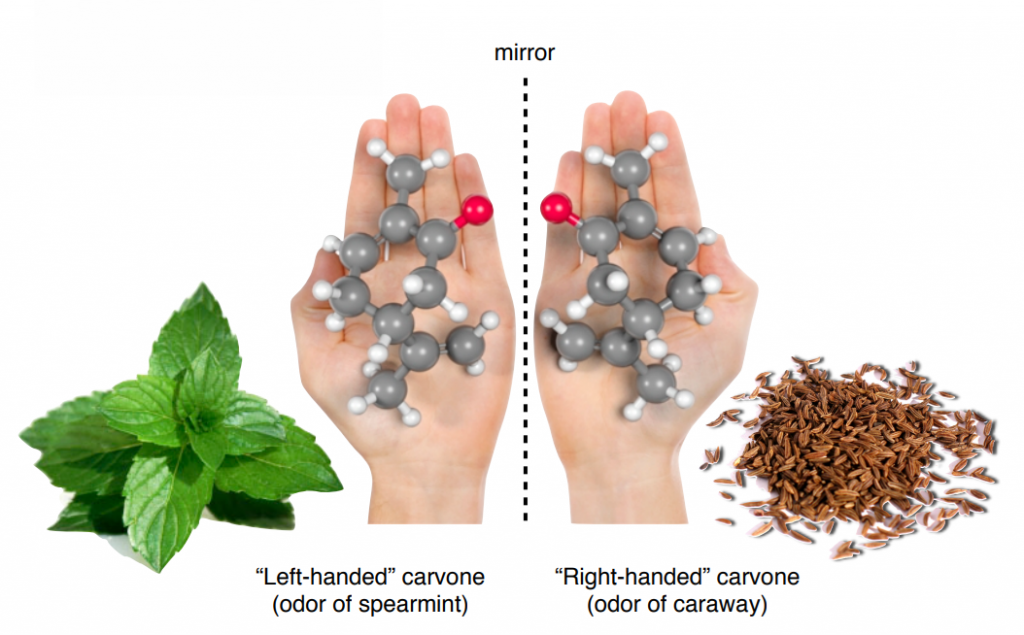
Introduction Chirality, or molecular handedness, plays a pivotal role in the chemistry of taste and smell. From the refreshing scent of mint to the sweet taste of artificial sweeteners, the chirality of molecules influences our sensory experiences in profound ways. In this blog, we will delve into the fascinating world of chiral compounds, exploring how …

The Chemistry of Taste and Smell: How Chirality Affects Senses Read More »

Chirality in Nature: From DNA to Snail Shells

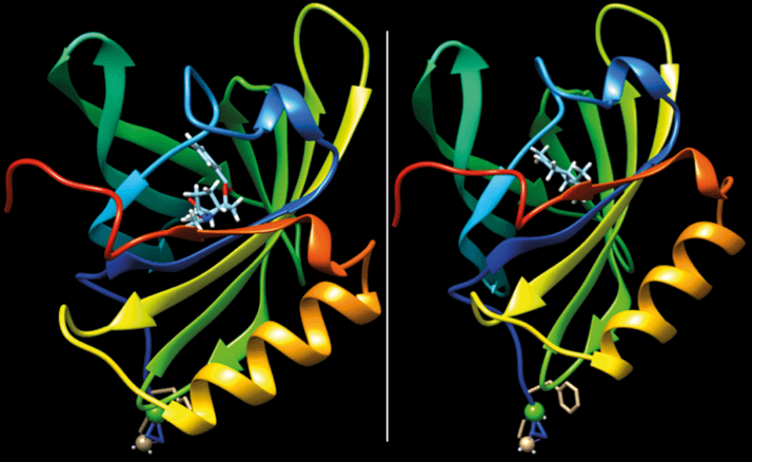
Introduction Chirality, derived from the Greek word for “hand,” is a property of asymmetry that is ubiquitous in nature. Just as our hands are mirror images but not identical, many biological molecules exhibit this fascinating characteristic. Chirality is not just a molecular curiosity; it profoundly influences the structure and function of DNA, proteins, and enzymes, …

Chirality in Nature: From DNA to Snail Shells Read More »

Molecular Handedness: How Chirality Shapes Molecules

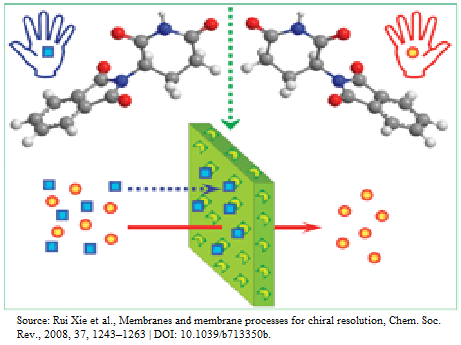
Introduction Molecules can come in two shapes that mirror each other, in the same way as our left and right hands. This attribute, called chirality, can be found in biological molecules like sugars and proteins This property, often referred to as molecular handedness, plays a crucial role in chemistry, biology, and pharmacology. In this article, we …

Molecular Handedness: How Chirality Shapes Molecules Read More »

Introduction to Chirality: Understanding the Basics

Lead Chirality, derived from the Greek word “cheir” meaning hand, is a fundamental concept in chemistry that describes an object’s property of being non-superimposable on its mirror image. This property is not just an abstract mathematical idea but has profound implications in various scientific fields, particularly chemistry and biology. Understanding chirality is essential for comprehending …

Introduction to Chirality: Understanding the Basics Read More »