#chiralpedia

Understanding the Fundamentals of Asymmetric Synthesis

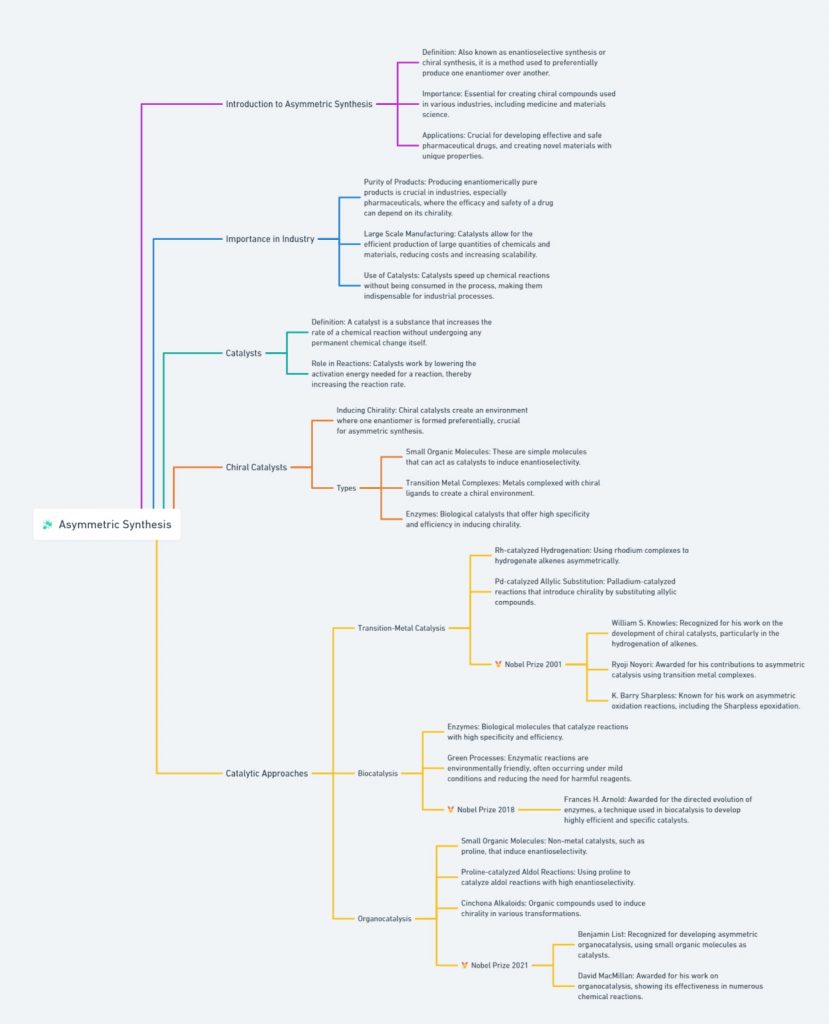
Introduction Chirality is a fundamental concept in chemistry that plays a crucial role in the structure and function of molecules. Derived from the Greek word for “hand,” chirality refers to the geometric property of a molecule that makes it non-superimposable on its mirror image. This characteristic is significant in various fields, including pharmaceuticals, where the …

Understanding the Fundamentals of Asymmetric Synthesis Read More »

Chirality and You: Understanding and Appreciating Molecular Handedness

Lead Chirality, or molecular handedness, is a fundamental concept in chemistry and biology that affects many aspects of our daily lives. From the structure of DNA to the effectiveness of medications, chirality plays a crucial role in how molecules interact and function. This blog aims to make the concept of chirality accessible and relevant, encouraging …

Chirality and You: Understanding and Appreciating Molecular Handedness Read More »

Introduction to Chirality: Understanding the Basics

Lead Chirality, derived from the Greek word “cheir” meaning hand, is a fundamental concept in chemistry that describes an object’s property of being non-superimposable on its mirror image. This property is not just an abstract mathematical idea but has profound implications in various scientific fields, particularly chemistry and biology. Understanding chirality is essential for comprehending …

Introduction to Chirality: Understanding the Basics Read More »

Protein-based CSPs

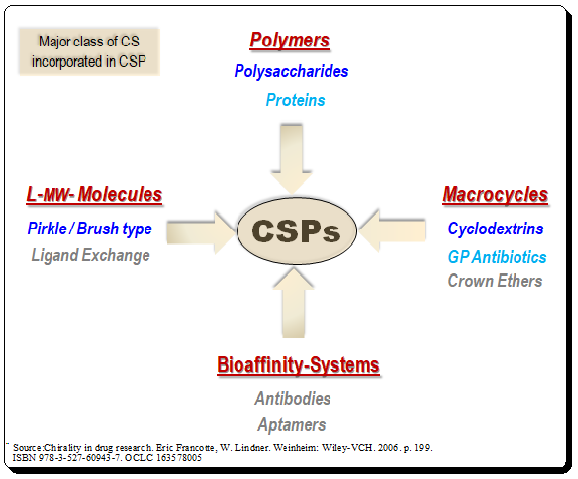
Lead Proteins are complex, high-MW biopolymers composed of L-amino acids and possess ordered 3D-structure. They are known to bind /interact  stereoselectively with small molecules  reversibly, making them extremely versatile CSPs for chiral separation of drug molecules.   Number of CSPs has been developed by immobilizing proteins. These type of CSPs operate under RP-mode; (phosphate buffer …

Protein-based CSPs Read More »

Rediscovery of stereochemistry

Stereochemistry, in particular chirality, is known to us as early as 1809, when Malus, Arago and Biot discovered plane polarized light and its characteristics. It is observed that during 1950s to the 1970s, the “Golden Age” of drug discovery & development, stereochemistry was largely ignored resulting in approximately 57% of pharmaceuticals being marketed as racemates …

Rediscovery of stereochemistry Read More »

Levamisole

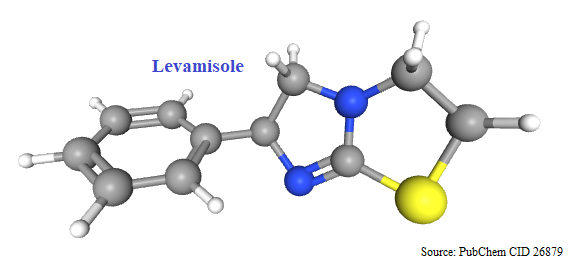
Levamisole is used as anthelmintic agent to get rid of the intestinal worms. It is (S)-(-)-enantiomer of tetramisole. This drug is used in veterinary to treat hookworm infections.  Levamisole also finds therapeutic application in the treatment of colon cancer when given in conjunction with fluorouracil.   Chirality and biological activity Tetramisole carries one chiral stereogenic …

Levamisole Read More »

Beta-Blockers

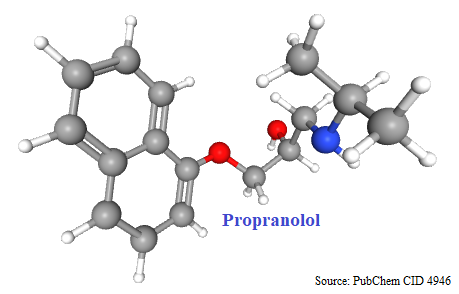
Beta blockers, also spelled β-blockers, used as antihypertensive agents (lowering blood pressure), represent a class of chiral drugs that are marketed as racemates since the distomer exhibits no undesirable adverse effects. Three most important β-blockers viz. propranolol, atenolol, and metoprolol are marketed as racemic mixture. Chirality and biological activity β-blockers are aryloxy propanolamines with one stereogenic …

Beta-Blockers Read More »

L-Dopa

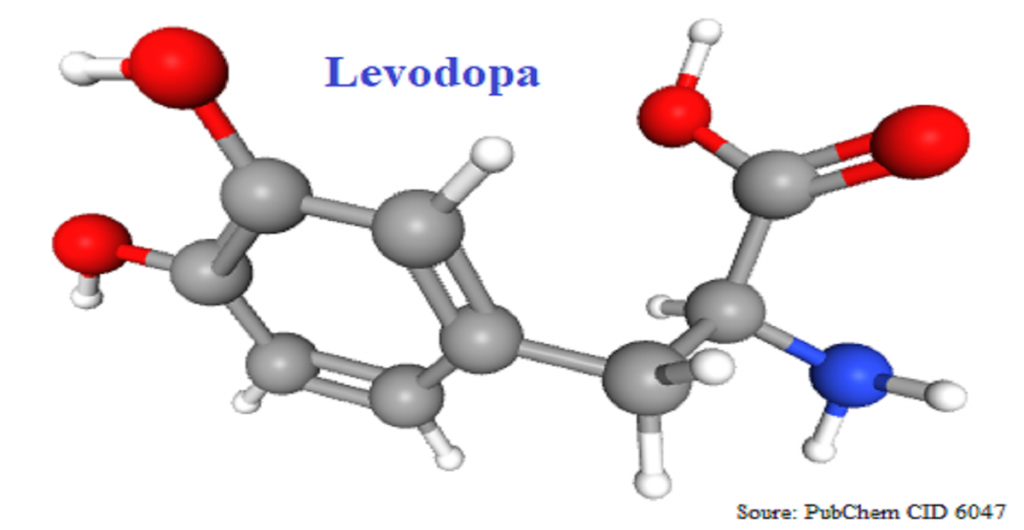
Levodopa, L-Dopa, belong to a class of medications called dopamine agonists.  L-Dopa is used to increase dopamine concentrations in the treatment of  Parkinson’s disease. Most commonly, clinicians use levodopa as a dopamine replacement agent for the treatment of Parkinson disease. L-dopa is the precursor to dopamine and crosses the blood-brain barrier to increase dopamine neurotransmission. Chirality and Biological activity L-dopa, …

L-Dopa Read More »

Terodiline

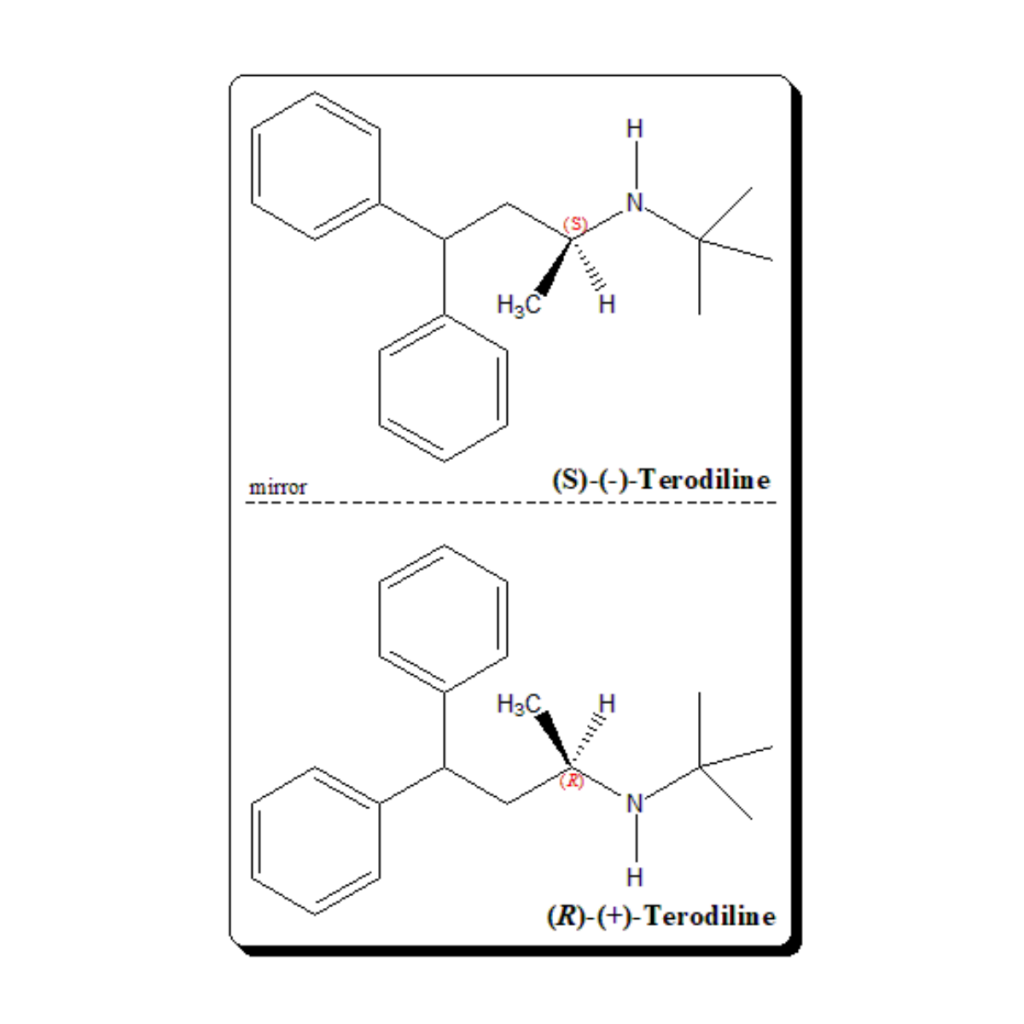
(±)-Terodiline, the antianginal agent, perhaps represents the best authenticated example of a drug that had to be withdrawn from the world market as consequence of proven stereospecific toxicity. Terodiline has a close similarity to prenylamine from a structural and pharmacological view point. It was firs marketed as an antianginal agent but it exhibited urinary retention …

Terodiline Read More »

Prenylamine

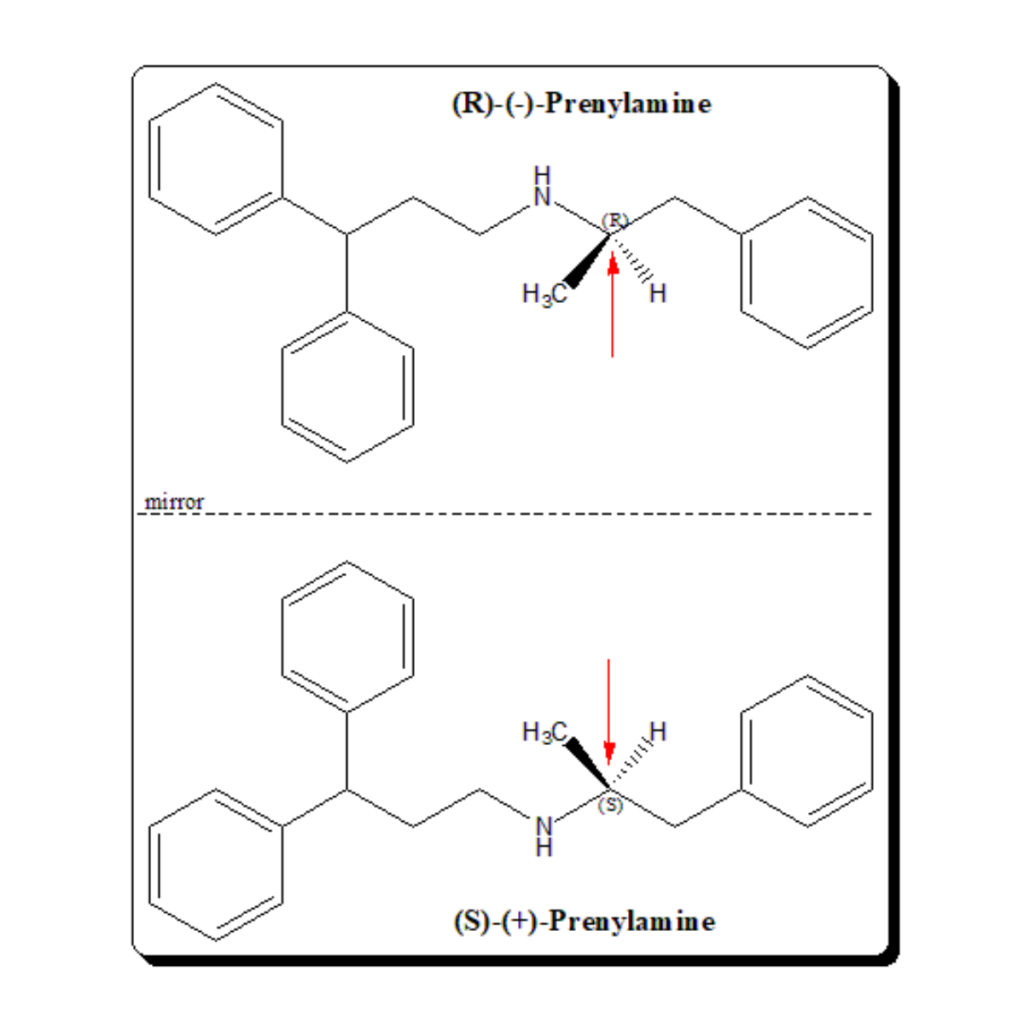
(±)-Prenylamine, an antianginal agent, was introduced in the market since early 1960. Reports associating Prenylamine with prolongation of the QT interval, ventricular tachycardia, and ventricular fibrillation started to appear. Some of these events had a fatal outcome and the drug was withdrawn from the market world-wide in 1988.  Chirality and drug withdrawals Prenylamine is chemically …

Prenylamine Read More »