🌍 From Soil to Streams: How Molecular Handedness Shapes Environmental Fate.
Introduction
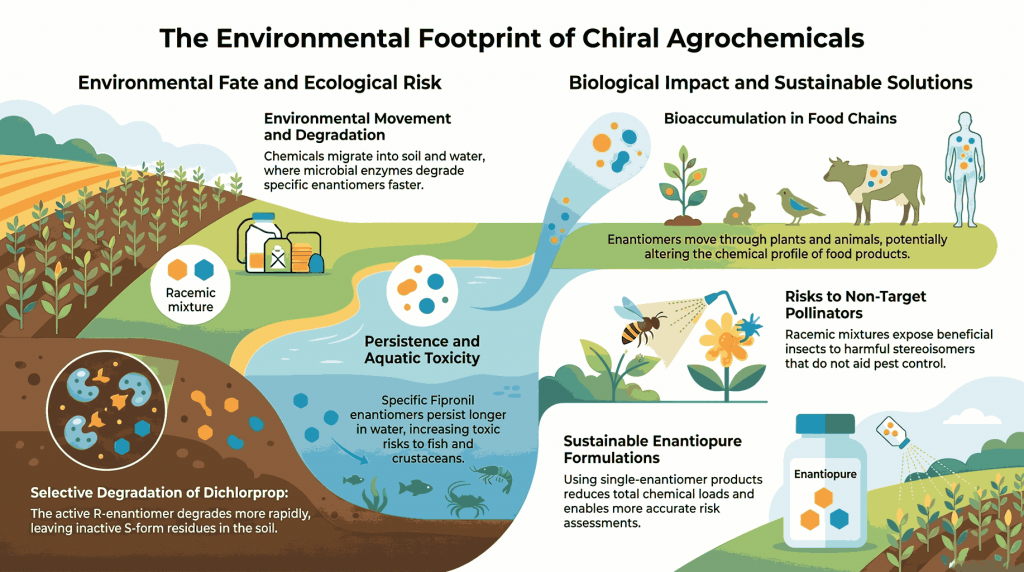
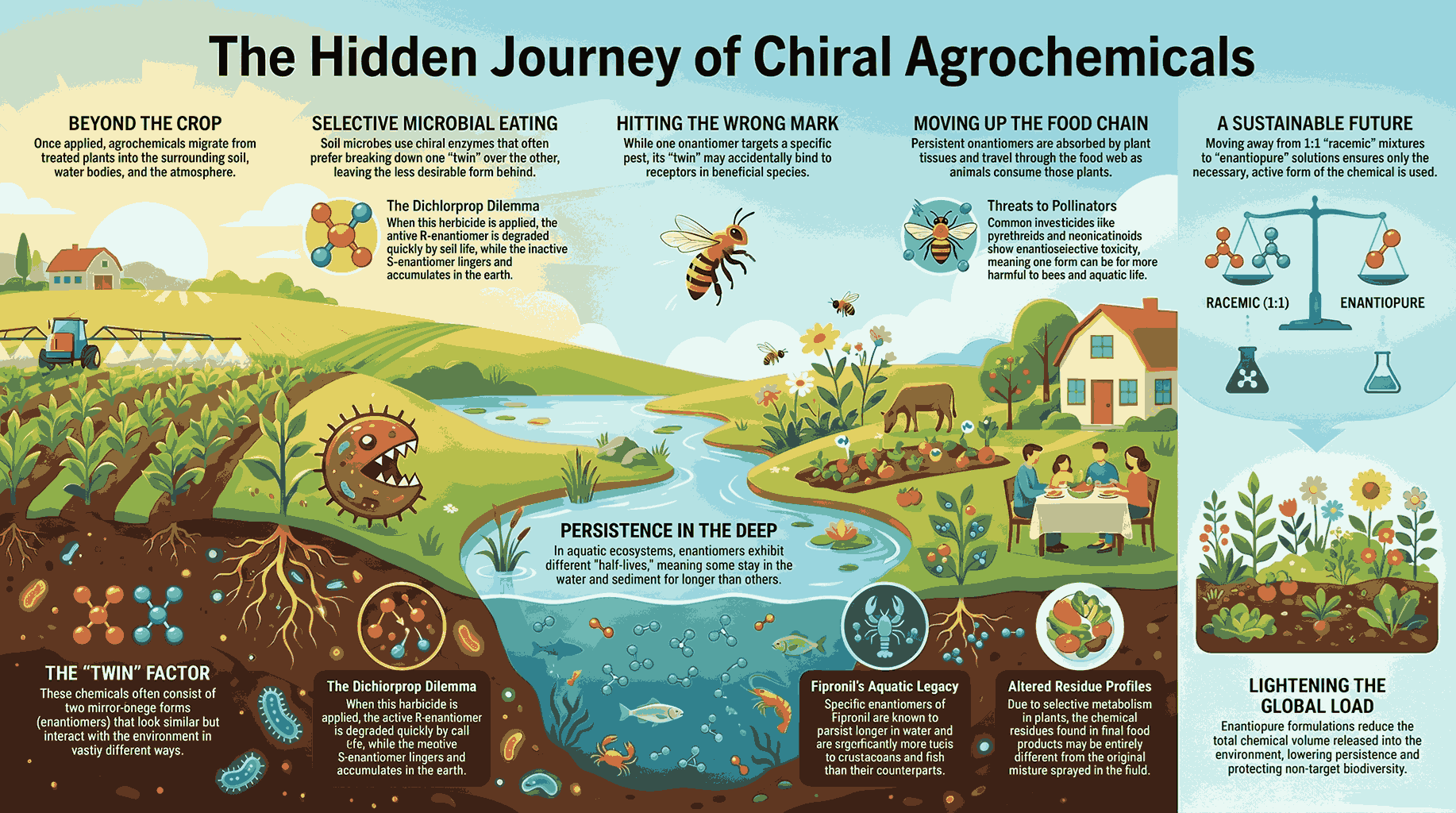
When agrochemicals are applied in the field, they do not remain confined to the crops they are intended to protect. They enter soil, water, and air, where they interact with complex ecosystems. For chiral agrochemicals, these interactions are influenced not only by chemical composition but also by stereochemistry. Enantiomers often degrade at different rates, accumulate differently, and exhibit distinct toxicological profiles. These enantioselective processes complicate risk assessments and highlight the importance of stereochemistry in environmental safety (Ariëns, 1984).
This episode examines how chirality influences the environmental behavior of agrochemicals, focusing on degradation pathways, persistence, bioaccumulation, and ecological impacts.
Enantioselective Degradation in Soil and Water
Soil is the primary sink for agrochemicals, and microorganisms are the major drivers of pesticide degradation. Many microbial enzymes are chiral and act enantioselectively. This leads to different degradation rates for each enantiomer of a pesticide.
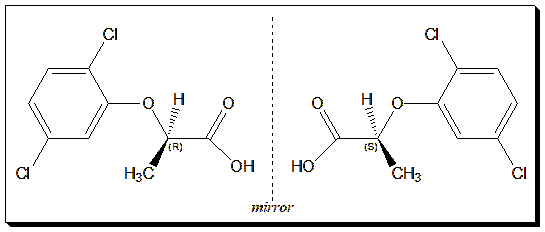
For example, the herbicide dichlorprop shows faster degradation of its R-enantiomer compared to the S-form, resulting in selective enrichment of the inactive enantiomer in soil (Buser et al., 1992). Similarly, enantioselective degradation has been reported for pyrethroids, where some stereoisomers persist longer, increasing long-term exposure risks (Crosby, 1995).
Water bodies also display enantioselectivity in pesticide degradation, influenced by microbial activity and photochemical processes. These processes can change the enantiomeric composition of pesticide residues over time, altering ecological risk profiles (Garrison et al., 1996).
Persistence and Bioaccumulation
Persistence refers to how long an agrochemical remains in the environment. Enantiomers can differ in their half-lives, leading to changes in their relative abundance after application. Persistent enantiomers may accumulate in soils, sediments, and biota, raising concerns about long-term ecological exposure.
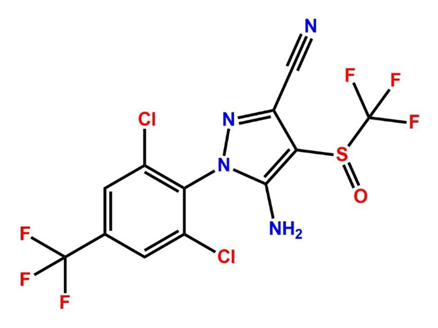
For instance, certain enantiomers of fipronil persist longer in aquatic systems and show higher toxicity to fish and invertebrates than their counterparts (Kan et al., 2013). The accumulation of inactive or toxic enantiomers can therefore have disproportionate environmental consequences compared to their initial proportions in commercial formulations.
Effects on Non-Target Organisms
Chirality plays a major role in determining the toxicity of agrochemicals to non-target species. While one enantiomer may interact specifically with a pest target, the other may interact with receptors in beneficial insects, birds, fish, or mammals.
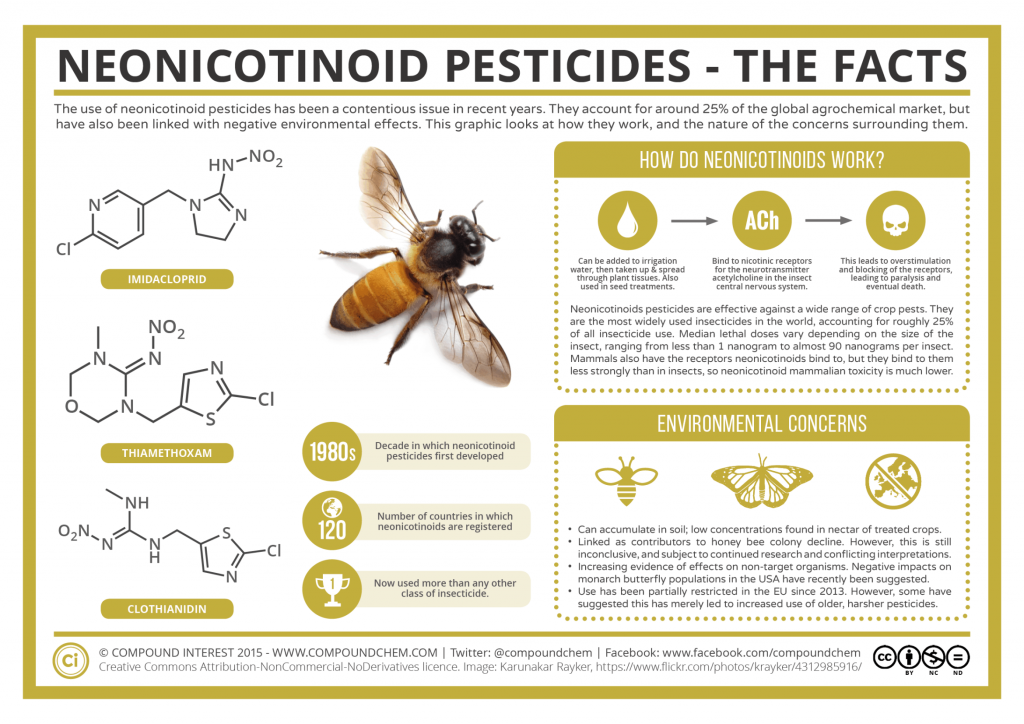
Insecticides such as pyrethroids and neonicotinoids show enantioselective toxicity toward pollinators and aquatic species (Tomizawa and Casida, 2005). The use of racemic mixtures increases the likelihood of exposing ecosystems to harmful stereoisomers, compounding environmental risks.
Enantioselectivity in Food Chains
Agrochemicals that persist in soil and water can move into food chains through plants, insects, and animals. Enantiomers may differ in uptake, metabolism, and bioaccumulation. This means that the residues found in food products may not reflect the original composition of the pesticide applied.
For example, enantioselective metabolism of phenoxy herbicides has been reported in plants, leading to accumulation of specific stereoisomers in edible tissues (Müller and Kohler, 2004). This has direct implications for food safety and human exposure risk assessment. Read more @ <https://chiralpedia.com/blog/episode-3-herbicides-and-the-role-of-chirality/>
Implications for Risk Assessment
Traditional pesticide risk assessments often treat racemic mixtures as single compounds, ignoring enantioselective differences in degradation, persistence, and toxicity. This can lead to underestimation or mischaracterization of risks (EFSA, 2019).
Regulatory agencies such as the European Food Safety Authority now recommend enantiomer-specific data in environmental fate and toxicity studies. This approach allows for more accurate modeling of exposure scenarios and better protection of ecosystems.
Toward Sustainable Solutions
Understanding enantioselectivity in environmental processes creates opportunities to design safer agrochemicals. By developing enantiopure formulations, chemical loads can be reduced, persistence minimized, and non-target risks lowered. Advances in biocatalysis and green chemistry are making enantioselective synthesis and degradation more feasible at scale (Williams, 1996).
Incorporating stereochemical considerations into integrated pest and weed management strategies supports sustainability goals and aligns agricultural practice with environmental stewardship.
Conclusion
Chirality is not only important for the efficacy of agrochemicals but also for their environmental impact. Enantioselective degradation, persistence, toxicity, and bioaccumulation all shape the ecological footprint of chiral pesticides, herbicides, and fungicides. Recognizing these differences is essential for accurate risk assessment and sustainable agricultural practice.
In the next episode, we will turn to the toxicological implications of chirality, focusing on food safety and human health.
References
Ariëns E.J. (1984). Stereochemistry, a basis for sophisticated nonsense in pharmacokinetics and clinical pharmacology. Eur J Clin Pharmacol. 26(6): 663–668.
Buser H.R., Müller M.D., Rappe C. (1992). Enantioselective determination of chiral phenoxy herbicides and their environmental behavior. Anal Chem. 64(13): 1461–1467.
Crosby D.G. (1995). Environmental fate of pesticides: stereochemistry as a factor in transformation and degradation. Pure Appl Chem. 67(3): 407–412.
European Food Safety Authority (EFSA); Bura L, Friel A, Magrans JO, Parra-Morte JM, Szentes C. (2019). Guidance of EFSA on risk assessments for active substances of plant protection products that have stereoisomers as components or impurities and for transformation products of active substances that may have stereoisomers. EFSA J. 26;17(8):e05804. doi: 10.2903/j.efsa.2019.5804.
Garrison A.W., Avants J.K., Jones W.J. (1996). Enantiomeric selectivity in the environmental degradation of pesticides. Environ Sci Technol. 30(8): 2449–2455.
Kan C.A., Meijer G.A.L., Traag W.A. (2013). Enantioselective toxicity of fipronil to non-target organisms. Chemosphere. 93(9): 2106–2112.
Müller T., Kohler H.P.E. (2004). Chirality of pesticides: stereoselectivity of enzymatic reactions. J Environ Qual. 33(2): 556–564.
Tomizawa M, Casida JE. Neonicotinoid insecticide toxicology: mechanisms of selective action. Annu Rev Pharmacol Toxicol. 2005;45:247-68. doi: 10.1146/annurev.pharmtox.45.120403.095930
Williams A. (1996). Opportunities for chiral agrochemicals. Pestic Sci. 46(1): 3–9.
Luna-Hernández SA, Bonilla-Landa I, Reyes-Luna A, Rodríguez-Hernández A, Cuapio-Muñoz U, Ibarra-Juárez LA, Suarez-Mendez G, Barrera-Méndez F, Pérez-Landa ID, Enríquez-Medrano FJ, Díaz de León-Gómez RE, Olivares-Romero JL (20210. Synthesis and Insecticidal Evaluation of Chiral Neonicotinoids Analogs: The Laurel Wilt Case. Molecules. 12;26(14):4225. doi: 10.3390/molecules26144225.
Chen, Z., Zhao, L., Kang, S. et al. Toxicity and environmental fate of the less toxic chiral neonicotinoid pesticides: a review (2025). Environ Chem Lett 23, 733–750. https://doi.org/10.1007/s10311-024-01808-1
Peter Jeschke (2018) Current status of chirality in agrochemicals. https://doi.org/10.1002/ps.5052
Further Reading